
Modern vs Traditional Bathrooms: Which Style Is Best for Your Sheffield Home?
Bathroom renovations are on the rise across the UK. According to the 2025 UK Houzz bathroom trends study, nearly three in five homeowners enlarge their primary shower when renovating, with walk-in showers becoming more popular. Many homeowners are also increasing overall bathroom footprints; 21 % are enlarging the room by taking space from bedrooms or extending the house. Contemporary and minimalist styles dominate in 2025, but Scandinavian and “Japandi” aesthetics have grown in popularity, and sustainable features such as LED lighting, water Efficient fixtures and long-lasting materials are now mainstream. As trends evolve, Sheffield homeowners face a familiar dilemma – should you design a modern bathroom or a traditional one?
Local competition is intense; the Federation of Master Builders lists 83 bathroom and wetroom builders operating in Sheffield. Most homeowners hire professionals for their projects – 89 % of respondents in the Houzz survey engaged tradespeople, bathroom fitters or builders. Given the complexity and cost, the choice between modern and traditional styles has real consequences for budget, space and enjoyment. This guide compares both styles and explores how to choose the right option for your Sheffield home.
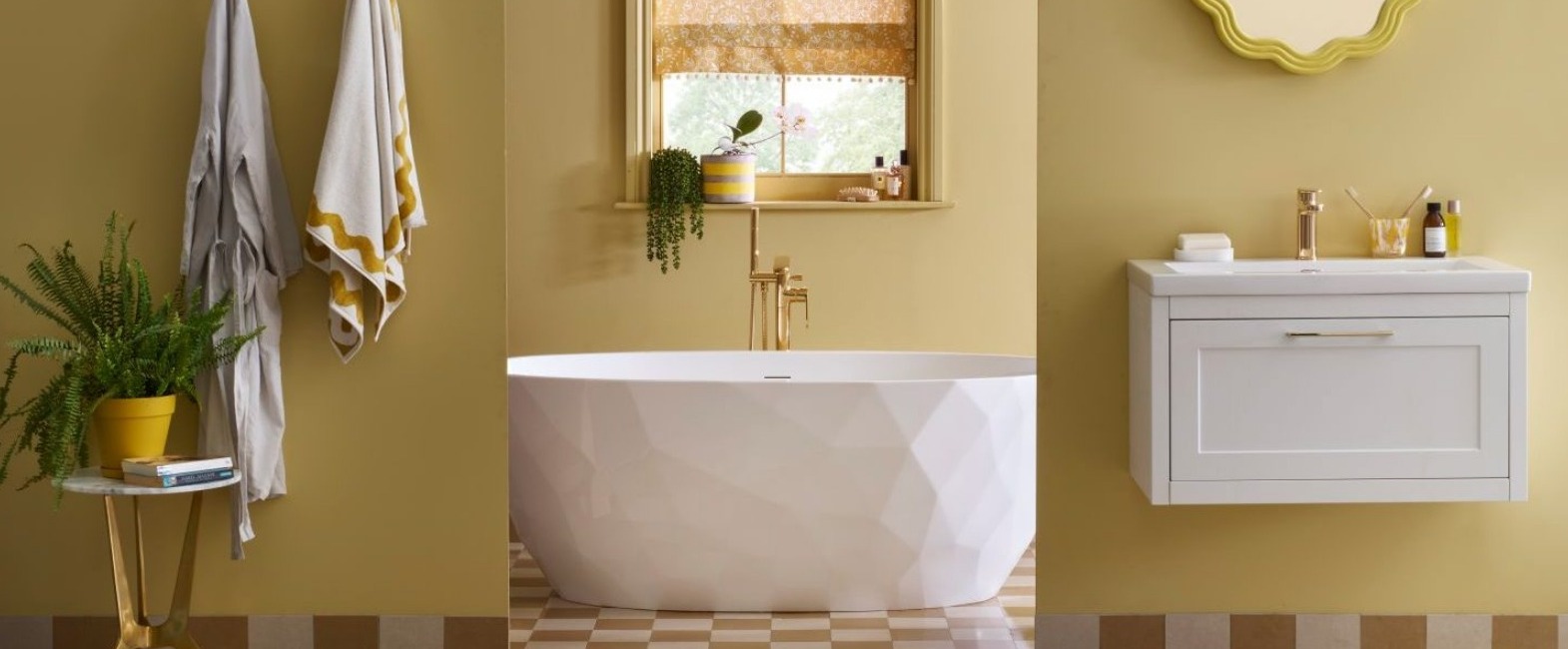
What Defines a Modern Bathroom?
Modern bathroom design emphasises simplicity and efficiency. Minimalism leads the way: clean lines, uncluttered surfaces and neutral colour palettes create a sense of spaciousness. Glossy materials such as glass, chrome and polished stone bounce light around the room, making even compact bathrooms feel open. Wall-hung toilets, floating vanities and concealed cisterns maximise floor space while hiding plumbing. Recessed LED lighting and mirror-backlit panels provide task illumination while contributing to the sleek aesthetic. Modern bathroom materials often include engineered stone, porcelain and composite surfaces that resist staining and suit a streamlined look.
The 2025 Houzz study highlights several trends driving modern design:
- Larger showers and walk-ins: 58 % of homeowners increased shower size during renovations. Walk-in showers with low thresholds or no threshold grew in popularity.
- Minimalist and Scandinavian styles: Contemporary designs remained dominant (38 %), while Scandinavian and Japandi aesthetics grew by 3 percentage points to 4 %, reflecting a preference for natural textures and calm colour palettes.
- Sustainability: 87 % of homeowners incorporated sustainable features, such as LED lighting (72 %), water-efficient fixtures (42 %) and timeless design elements (35 %). Eco-friendly materials and energy-saving technology reduce environmental impact and long-term costs.
- Freestanding and custom vanities: Freestanding vanity units gained traction, increasing seven points to 28 %, while more than one in five homeowners opted for semi-custom or custom vanities.
For Sheffield’s compact terraced houses and city flats, a modern bathroom design Sheffield approach often makes practical sense. Minimalist layouts open up small spaces, and hidden storage keeps everyday essentials organised. Smart technology – such as app-controlled showers, voice-activated lighting and water-efficient fittings – is becoming mainstream, providing convenience and long-term savings. Modern bathrooms appeal to busy households that prioritise speed, ease of cleaning and contemporary aesthetics.
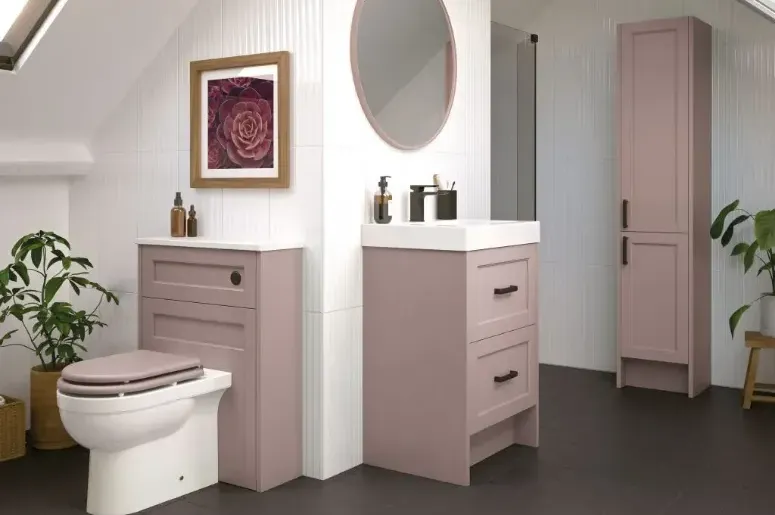
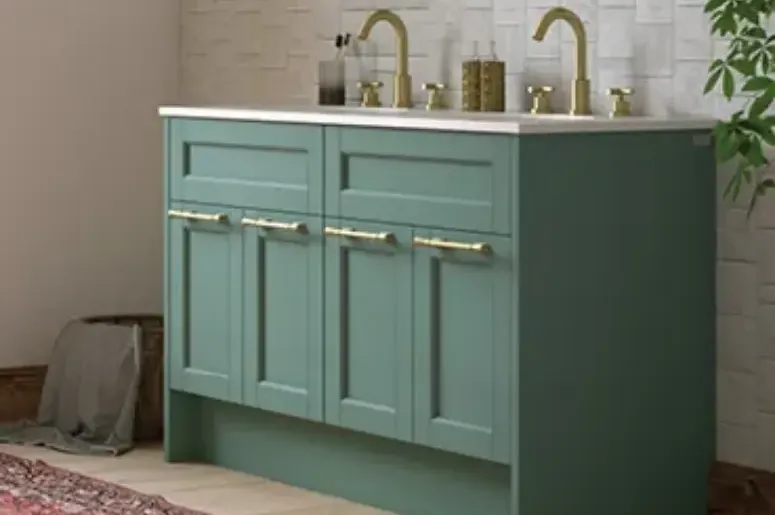
What Makes a Bathroom Traditional?
Traditional bathrooms evoke comfort and heritage. Design elements include a freestanding roll-top bath, ornate taps, raised-panel cabinets and classic tiling patterns. Colours tend to be rich and warm – deep blues, creams, muted greens and monochromatic schemes – while fixtures embrace curves and deliberate detailing. Materials such as marble, wood and ceramic tiles provide character; brass or brushed gold fittings add warmth. Slight wear can deepen the charm of traditional spaces, creating a lived-in feel.
Traditional bathrooms require more floor space to accommodate larger vanities and freestanding pieces. They suit period properties and Victorian or Edwardian homes across Sheffield’s suburbs, where high ceilings and generous proportions allow classic features to shine. For those who view the bathroom as a retreat rather than a quick pit stop, traditional design offers ritual and nostalgia: soaking in a claw-foot tub or washing hands at a porcelain basin connects the space to craftsmanship and history. While modern minimalist lighting can feel harsh, traditional schemes favour softer illumination and decorative light fittings.
Benefits and Drawbacks
Modern bathrooms thrive on simplicity and efficiency. They are easier to clean, handle moisture well and maximise small spaces. However, the cost of specialist fittings, concealed plumbing, and smart technology can be high, and repairs may be complex. The streamlined aesthetic may also seem clinical if not balanced with warm finishes.
Traditional bathrooms celebrate warmth, detail and craftsmanship. They provide timeless ambience and can increase property value, particularly in period homes. The trade-off is space and maintenance: roll-top baths and ornate fixtures need room to breathe, and natural materials require regular care. Traditional materials like real marble or bespoke carpentry can be expensive.
Sheffield Bathroom Market Trends
Sheffield has a thriving home-improvement sector. The Federation of Master Builders lists 83 bathroom and wetroom specialists in the city, indicating substantial competition and choice for homeowners. Local businesses offer design consultation, supply and installation, and many highlight the ability to manage plumbing, tiling and electrical work under one roof. Sheffield homeowners also prioritise value; renovation guides estimate budget bathroom refurbishments between £2,500 and £4,000, while luxury projects can exceed £15,000 depending on materials, fixtures and structural changes. Labour accounts for a significant portion of costs, ranging from £150 to £350 per day.
Local design choices reflect national trends. Increasing shower size and preferring walk-in designs echo the Houzz findings. There is a growing appetite for sustainability and smart technology; energy-saving lighting and water-saving fixtures align with the broader push towards greener homes. At the same time, Sheffield’s historic housing stock features many Victorian and Edwardian properties where heritage bathroom design Sheffield remains popular. Homeowners in areas like Broomhill or Crookesmoor may choose to preserve period details while integrating modern conveniences. The key is finding a balance that suits the property’s character, the family’s lifestyle and the available budget.
Choosing Between Modern and Traditional
Assess Your Space and Lifestyle
Start by measuring your bathroom and considering how the space is used. Small city apartments or loft conversions benefit from a minimalist bathroom ideas Sheffield approach: wall-hung toilets, slimline vanities, walk-in showers and mirrored cabinets expand usable space. In larger detached or semi-detached homes, a freestanding bath or double basin can create a luxurious focal point.
Consider who uses the bathroom. Busy families and commuters may prefer modern materials and fixtures that are easy to clean and maintain. Households with elderly members or mobility needs should prioritise accessibility, such as level-access showers, grab rails and anti-slip flooring – features that can be incorporated into both modern and traditional designs. For those seeking a spa-like retreat, traditional features like claw-foot baths, wood panelling and warm lighting enhance relaxation.
Factor in Budget and Sustainability
Budget influences the choice of style but does not dictate it. Modern designs can be cost-effective when using off-the-shelf vanities and laminated surfaces, but hidden cisterns, underfloor heating and bespoke lighting raise costs. Traditional bathrooms may require investments in quality materials such as marble or solid wood, but laminates and ready-made cabinets can achieve the look on a budget. Remember to account for labour, plumbing and electrical work; reconfiguring a bathroom’s layout increases costs.
Sustainability is no longer optional – 87 % of renovating homeowners incorporate eco-friendly features. LED lighting, low-flow taps, dual-flush toilets and sustainable materials should be integrated regardless of style. Modern bathrooms often highlight efficiency, but traditional designs can also support sustainability by using durable materials and water-saving fixtures. Sustainable choices not only reduce environmental impact but also lower utility bills over time.
Mix and Match for a Personalised Space
You don’t have to commit strictly to one aesthetic. Blending elements of modern and traditional styles can create a unique bathroom that reflects your taste. For example, pairing a classic roll-top bath with sleek, minimal tiles and a frameless glass shower screen offers the best of both worlds. Warm metallic accents – such as brass taps on a contemporary vanity – can soften a modern space, while neutral colours and simple cabinetry can modernise a traditional scheme. The key is balance; avoid overcrowding a minimal bathroom with ornate details or placing ultra-modern fixtures in a heritage setting.
Work With Trusted Professionals
Bathroom renovations involve plumbing, electrics, waterproofing and building regulations, so professional guidance is invaluable. In the Houzz study, almost nine in ten homeowners hired professionals, and tradespeople, bathroom fitters and builders were among the most frequently engaged. Trusted local specialists can manage every stage – measurement, design, supply and installation – and handle plastering, tiling and electrical work to deliver a stress-free renovation.
At Pryor Bathrooms, we understand that choosing between a modern and traditional bathroom isn’t just about style—it’s about creating a space that reflects your lifestyle, taste, and the character of your home. As a trusted bathroom showroom Sheffield homeowners rely on, Pryor Bathrooms offers inspiration for both sleek contemporary designs and timeless classic interiors. Modern bathrooms bring clean lines, minimalist aesthetics, and innovative features, while traditional bathrooms deliver elegance, heritage charm, and detailed craftsmanship. Whether you’re planning a full renovation or upgrading your space, our premium bathroom Sheffield collection ensures exceptional quality and style. With expert guidance and tailored solutions, Pryor Bathrooms helps you achieve a bathroom that is both functional and beautifully designed to stand the test of time.
Frequently Asked Questions (FAQs)
Q1: Is a modern bathroom design in Sheffield more expensive than a traditional one?
Costs vary depending on materials and features. Modern bathrooms can be pricey due to concealed cisterns, floating fixtures and smart technology. Traditional designs may also be costly when using real marble or bespoke carpentry. Both styles can be achieved on a budget by choosing standard fixtures and laminates.
Q2: Do modern bathrooms suit small Sheffield homes?
Yes. Minimalist layouts, wall?hung toilets, walk?in showers and built?in storage, make modern bathrooms ideal for compact spaces. These elements open up the room and reduce clutter.
Q3: Can I blend modern and traditional elements?
Absolutely. Combining a traditional vanity with a frameless mirror or pairing a roll-top bath with minimal tiles can create a balanced look. The key is to maintain harmony and avoid clashing styles.
Q4: What bathroom trends are popular in Sheffield in 2026?
National trends indicate larger showers, walk-in designs, minimalist and Scandinavian aesthetics, and sustainable features. Local homeowners also value heritage details due to Sheffield’s Victorian housing stock. Choosing eco-friendly materials, water-saving fixtures, and smart lighting ensures your bathroom stays on trend and future-proof.
Q5: How do professional bathroom fitters in Sheffield assist with renovation?
Local experts offer measurement services, design consultation, product selection, installation and project management. Experienced fitters handle plumbing, plastering, tiling and electrics, ensuring a stress-free renovation and a bathroom that functions flawlessly.
Conclusion
Choosing between a modern and traditional bathroom isn’t a simple either/or decision. Modern bathrooms emphasise minimalism, efficiency and smart technology, making them ideal for busy households and small spaces. Traditional bathrooms offer warmth, character and timeless appeal, particularly in period homes. Sheffield’s diverse housing stock and competitive market mean homeowners should consider space, budget, sustainability and personal style. Blending elements from both aesthetics allows you to create a unique bathroom that feels tailored to your lifestyle. With professional guidance and thoughtful planning, you can transform your space into a sanctuary – whether that means sleek modern lines or classic Victorian elegance.